Olive oil is far more than a Mediterranean kitchen staple—it’s a symbol of tradition, a key economic driver, and increasingly, a focal point for sustainability efforts. Across Southern Europe, countries like Spain, Italy, Greece, Portugal, and Croatia are witnessing shifts in how olive oil is produced, managed, and taught. As demand grows for high-quality, environmentally responsible products, the industry is responding with innovation—though not without its challenges.
In recent decades, olive grove areas have expanded significantly. Spain leads the way with a staggering 2.75 million hectares dedicated to olive cultivation, followed by Italy with 1.14 million hectares and Greece with 970,000. Portugal, with 380,852 hectares, has seen a steady 7% increase in the past twenty years, while Croatia has experienced a remarkable 75% growth since 2000, now reaching 19,900 hectares. These expanding landscapes reflect not only market demand but also a renewed interest in revitalizing local agriculture.
Production volumes vary greatly among countries. Spain remains the world’s top producer, delivering 665,800 tons of olive oil in 2022/23. Portugal, often underappreciated in global discussions, has rapidly scaled up its modernized sector, reaching 1,176,087 tons in 2024, with Alentejo contributing 87% of the output. Greece, Italy, and Croatia also play vital roles—producing 345,000, 240,900, and 5,100 tons respectively. Despite different scales, all contribute to the rich diversity and quality of European olive oils.
However, production alone doesn’t tell the full story. Each country faces distinct hurdles in embracing sustainability and circular economy principles. In Croatia, the small scale of most farms makes it difficult to implement large-scale sustainable practices. Greece struggles with a lack of specialized training in circular business models, while in Italy, the dominance of small traditional mills makes it expensive to invest in modern extraction technologies. Portugal’s progress is tempered by the high cost of sustainability transitions, and Spain contends with regulatory complexity and fragmented markets that slow systemic change.
One of the most critical gaps lies in education and training. In Croatia, most olive farmers still rely on traditional knowledge, with limited access to formal sustainability courses. Greece also lacks targeted programs focusing on circular practices within olive farming. Italy has made some regional progress, but broader improvements are still needed. Portugal offers training, though often without sufficient hands-on components. Spain, while more advanced with vocational programs and industry-academic collaborations, still faces the challenge of scaling these efforts to reach the entire sector.
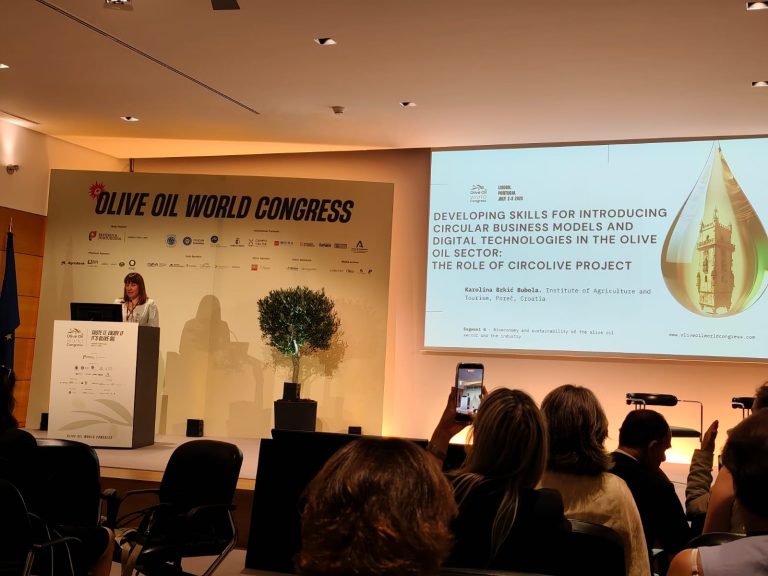
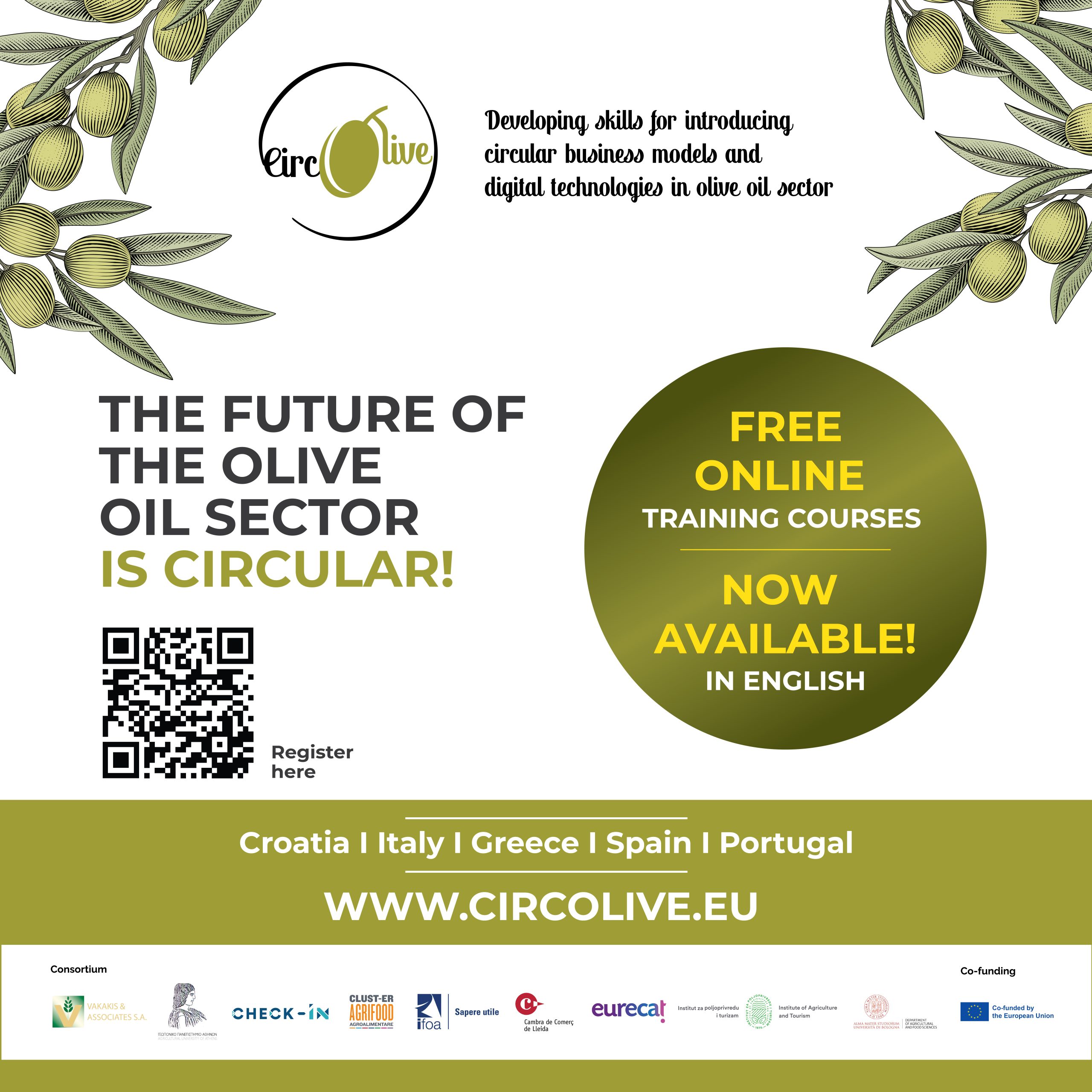
This is where EU initiatives like the CIRCOLIVE project play a vital role. By supporting education, collaboration, and innovation across borders, CIRCOLIVE is helping pave the way for a circular economy in the olive oil sector—one that reduces waste, promotes by-product valorization, and equips stakeholders with the knowledge to thrive in a greener future.
As groves expand, yields rise, and practices evolve, the Mediterranean’s olive oil producers are navigating a critical period of transformation. The path forward is clear: to ensure long-term sustainability, countries must not only produce more but produce smarter—through innovation, cooperation, and comprehensive education for all those who keep this ancient tradition alive.